Is really Arabica coffee facing extinction ?

Those who are used to enjoying every day a cup of 100% arabica coffee may be forced to change their habits in the future: sensitive to various threats, the most beloved and popular coffee variety may face the risk of extinction!
Undoubtedly, the Arabica variety is the most popular coffee variety, occupying more than 70% of the world's coffee production. Coffee lovers all over the world prefer Arabica for its gentle taste that highlights a large palette of flavors and tastes. Although the Robusta variety offers special features such as strong body and cream to a cup of coffee, which makes it essential and desirable in many blends, the primacy of coffee belongs to Arabica.
In recent years, scientists have been alert to the danger, noting that if some drastic measures are not taken, it is not unlikely that the Arabica variety will extinct within a few years. The reasons for the imminent disappearance of the beloved variety are many and form a challenge for scientists and growers, but also for the global coffee industry in general.
The main reason for Arabica's imminent disappearance, according to experts, is the limited genetic diversity of the Coffea Arabica crop. The Arabica plant has a genetic variation of just 1.2%, as opposed to the 20% found in widely grown plants such as rice or soy. This feature makes Arabica less resistant to threats such as fungi, plant diseases and parasites.
Conditions are becoming even more intimidating for Arabica, due to climate change, the effects of which have begun to be felt in countries belonging to the 'coffee zone', which makes coffee beans even more sensitive to the challenges they face. The two main opponents of Coffea Arabica are the coffee beetle, a small parasitic insect which destroys the coffee beans and fruits, and the oxidation of the plant by the Hemileia vastatrix fungus.
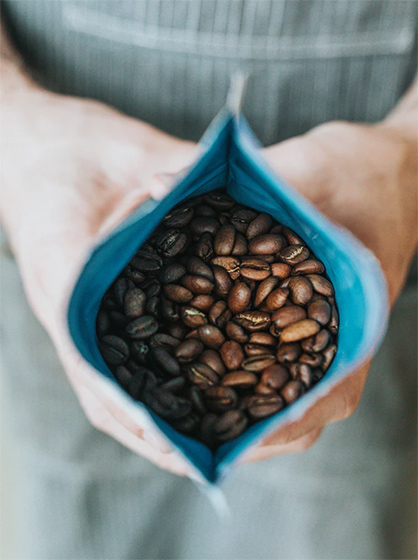 Coffee producers worldwide continue to resist extensive use of chemical insecticides and pesticides, resorting to more traditional solutions such as crossing Arabica plants with more resistant varieties and improving and modernizing crops, with scientists criticizing these specific methods as slow and inefficient. As the last wave of coffee oxidation spread began just over ten years ago, coffee growers from all over the world are looking for solutions that will shield Arabica coffee against threats, ensuring long-term growth with sustainable crops. Solutions require great investment in time, research and money, as margins are expected to narrow until 2050.
If the disappearance of a plant such as arabica coffee seems unlikely to occur, it is enough to bear in mind the recent disappearance of the Gros Michel banana, which, while it was the world's most popular banana variety until the 1960s, disappeared almost completely due to the flow of a fungus. Even the Arabica itself has already gone through difficult times: in the late 19th century, the appearance of the oxidation fungus destroyed the Arabica plantations of many countries. Other countries turned to the cultivation of Robusta, while others, like Sri Lanka, turned to tea cultivation. The disappearance or shrinking of the cultivation of such a popular product, such as coffee, has consequences that extend to many areas of everyday life. Many point out that if Arabica's disappearance from Sri Lanka had not occurred due to the fungus, coffee would be Great Britain’s national beverage, instead of tea !
Coffee lovers all over the world hope that the solutions that will allow Arabica coffee to continue to be the most popular coffee variety will soon be found and that our favorite plant will continue to give us its valuable beans for many years to come – so we cab enjoy without concern quality 100% Arabica coffees, such as the Organic Bio Puro or the Buondi Limited Edition. It's hard to imagine a world without Arabica!


