Will the US get into coffee farming?

In a few years, coffee cultivation may not be the prerogative of the Tropics.
As we know, coffee only thrives in certain climatic conditions, which are found in a "zone" between the Tropics of Cancer and Capricorn, aptly named the "Coffee Zone". This is also the reason why coffee, although an endemic plant of Ethiopia, was easily transported both to the Caribbean and Indonesia initially, and to the whole of Latin America and much of Southeast Asia later, during the colonial era. .
This geographical restriction has left out of coffee cultivation a major "player" in the world economy, the United States of America, which can only grow coffee on the overseas island of Hawaii - at least, until now, as experimental coffee crops in California of the US indicate that a new era may be dawning for the global coffee industry.
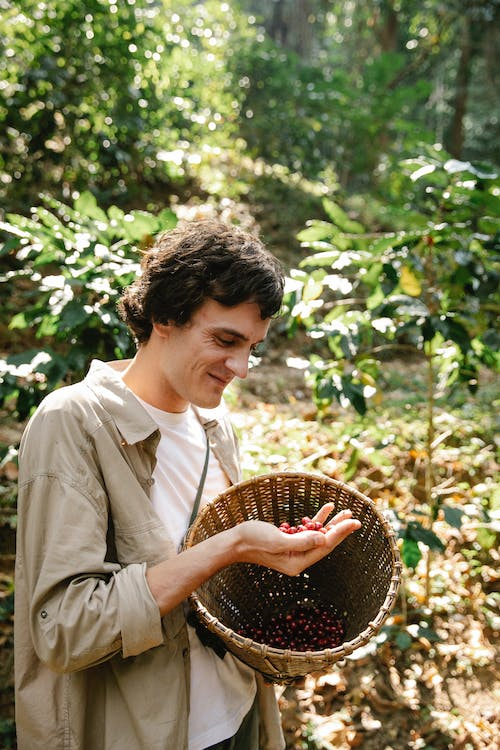 Growing coffee in California
Although California may bring to mind most high-tech companies and Silicon Valley, the truth is that it is a region that is also famous for agricultural products and an excellent terroir for wines that enjoy international appreciation. Southern California, not far from the "Coffee Belt," was the first US territory to experiment with coffee cultivation.
The whole project is very recent, and involves about 65 farms in an area from Santa Barbara to San Diego. In total, more than 100,000 coffee trees, belonging to 14 different varieties, have been planted in recent years as agronomists and growers look to see not only which plants can thrive in California, but also which can produce the best results. Climatic differences are bridged by various techniques, such as multilayer farming, careful use of water and close monitoring of weather changes.
Naturally, production is currently small, as farmers are optimistic that in the next 2-3 years, California coffee will be able to make a breakthrough to a larger audience, as it is now mainly available in the specialty coffee market.
How is California coffee?
Californian coffee has strong "allies" in its effort to become known to coffee drinkers. Recently, James Freeman, founder of Blue Botte (the company that is largely responsible for the creation of the Third Wave of coffee and that still shapes the relevant trends) refined and sourced two separate specialty coffees from the region, a Gesha and a which belongs to a rare variety of Arabica from Yemen Arabia. Accordingly, famous baristas from Japan (a country with a rich specialty coffee culture, which is also the largest importer of Jamaica Blue Mountain in the world) showed their trust in California Gesha, which even stood out in blind tests from its other "cousins" .
What does it mean to grow coffee on American soil?
The introduction of coffee cultivation on American soil, and in particular its consolidation beyond the production of specialty coffees, can bring significant upheavals to the global coffee market. The US is one of the world's largest producers of agricultural products, and being able to grow the world's most sought after commodity (after oil) could turn the coffee industry upside down as it would greatly reduce transportation costs and steal share from other countries, for which coffee is a key pillar of their economy.
Beyond that, however, the survival of coffee trees in climates different from those of the "coffee belt" will fill the arsenal of scientists with particularly useful "weapons" to deal with the consequences of climate change on coffee. Applying the techniques currently being used experimentally in California may in a few years mean better, more environmentally sustainable and cheaper coffee for the end consumer.
We never know what the future holds for our favorite drink – in a few years, we might be drinking real 'Café Americano'.


